Decorating · Bangalore, India
This 9Th Edition Hyderabad residence is designed to make air-conditioning optional
By World Arch
A net-zero minded residence in Kadthal pairs handcrafted earth construction with climate-responsive planning. A net-zero minded residence in Kadthal pairs handcrafted earth construction with climate-responsive planning. A net-zero minded residence in Kadthal pairs handcrafted earth construction with climate-responsive planning.
Archive narrative
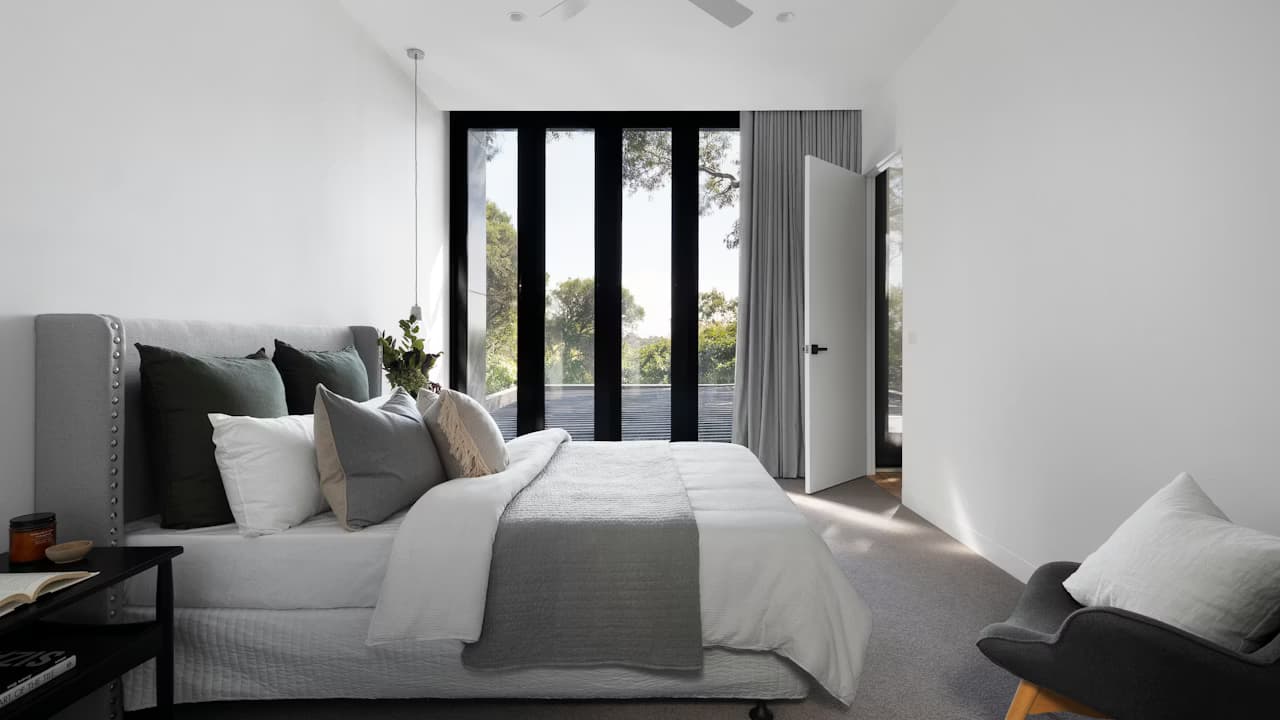
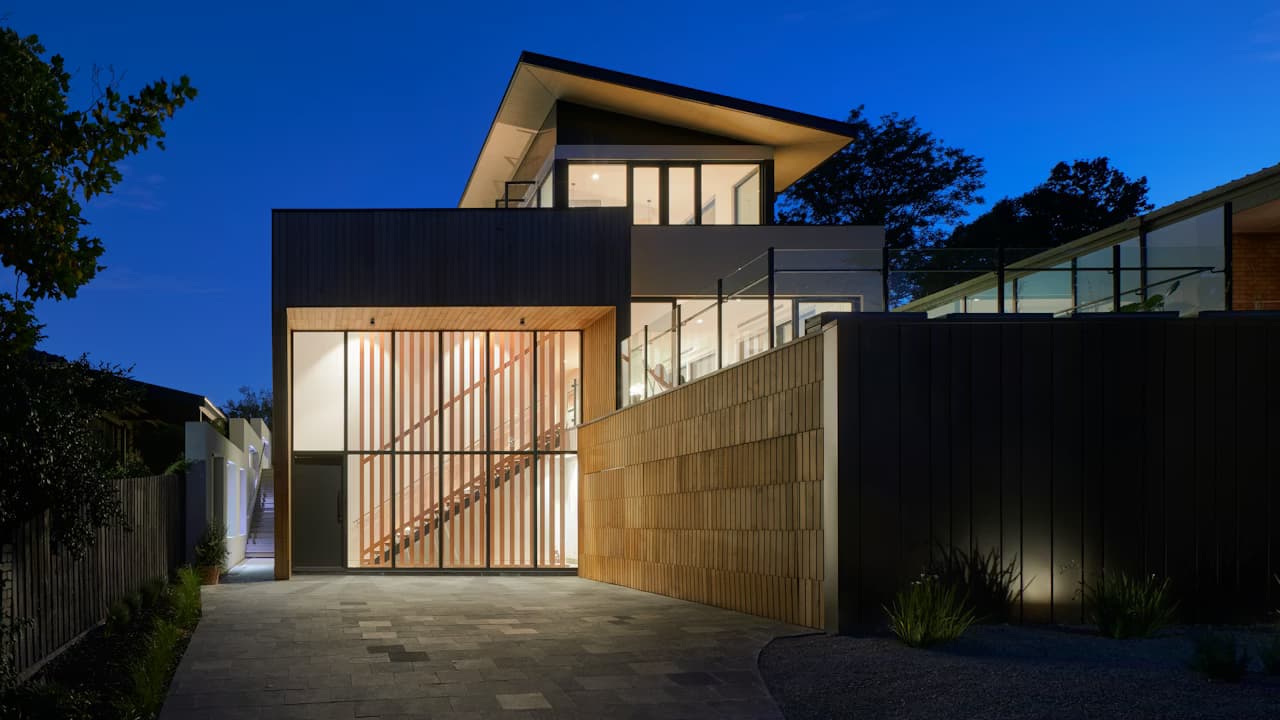
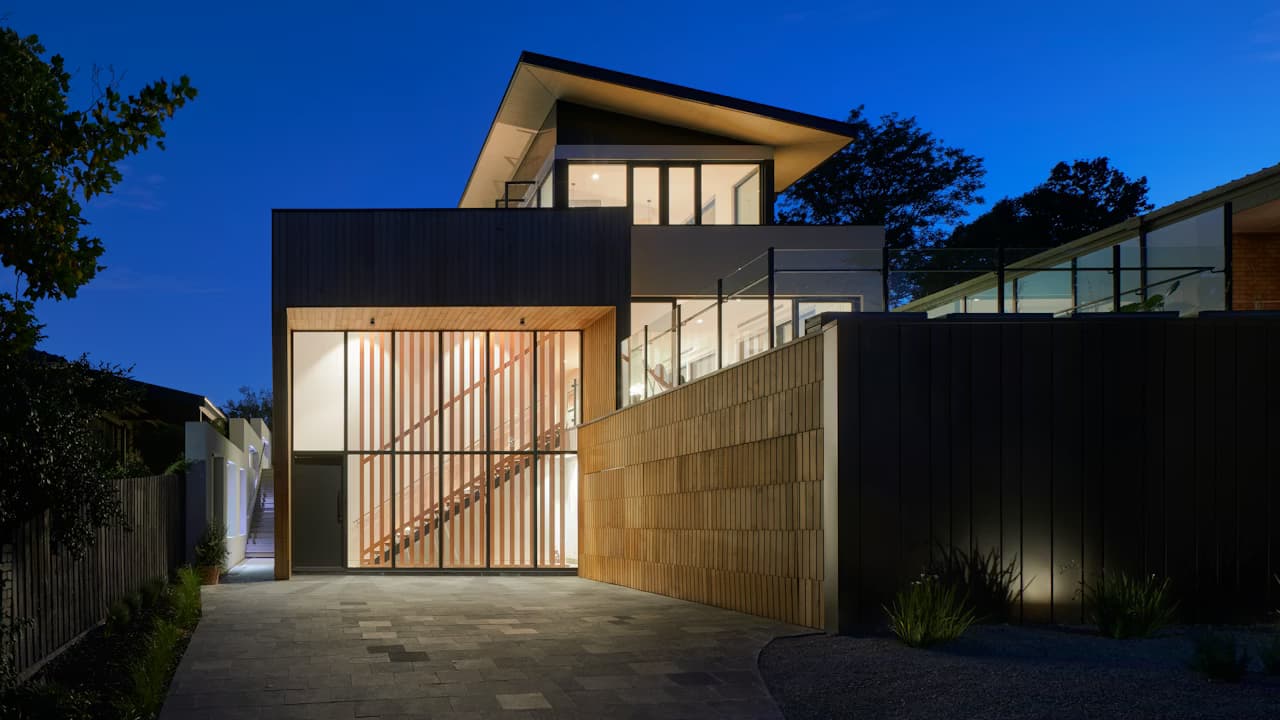
The brief asked for a home that could remain comfortable through Hyderabad’s hottest months without defaulting to mechanical cooling as the primary strategy. The answer is a layered envelope: shaded courts, thermal mass in earth-based walls, and deep overhangs that modulate sun before it reaches glass. Interior volumes are porous—breezes move along linear sequences of living, dining, and study spaces, while service cores anchor the plan for quiet sleeping zones. Materials were chosen for hygrothermal performance and craft legibility: lime plaster, oxide floors, and timber screens that age gracefully under sun and rain. Photovoltaic readiness, rainwater routing, and native planting complete a system-level approach. The result is a quiet, luxurious calm: rooms feel generous without excess square footage, and the landscape reads as an extension of the plan rather than a decorative edge. For Telangana’s semi-arid climate, the team prioritised orientation studies and mock-ups of wall assemblies before lock-in—reducing rework and helping contractors sequence lime and earth trades without conflict. Shading devices are dimensioned for peak summer altitude, not generic catalogue angles. Acoustically, sleeping wings are buffered from social zones by storage and circulation, so night-time comfort includes quiet as well as temperature. Daylight is indirect in galleries and direct only where thermal gain can be absorbed by mass or expelled through stack ventilation. If you are researching comparable houses in South India, use this dossier alongside local ECBC/state amendments, wind-rose data, and geotechnical reports—performance claims should always be validated for your specific site. Iki Builds developed the scheme through iterative climatic studies rather than a one-pass aesthetic concept. Orientation, opening percentages, and shading depth were tested against seasonal sun and daily occupancy, allowing the plan to reduce heat gain during peak hours while preserving daylight quality in occupied rooms. Material strategy is treated as a performance system. Surfaces are selected for tactile depth and durability, but also for moisture behaviour, repairability, and availability in the local supply chain. This approach lowers long-term maintenance risk and keeps replacements realistic for owners over a 10- to 20-year lifecycle. Spatially, the project balances ceremonial arrival with practical daily routines. Service circulation, storage, and wet areas are coordinated early so primary rooms remain visually calm. The resulting sequence avoids dead corners, supports flexible furniture use, and maintains clear sightlines that enhance both comfort and supervision. For architecture & design work in Telangana, India, buildability is as important as concept clarity. Drawings and site decisions should account for contractor skill levels, procurement lead times, and monsoon or summer sequencing constraints. This reduces site improvisation and protects design intent through execution. In summary, the project demonstrates how contemporary design quality can coexist with climate intelligence, craft knowledge, and operational realism. Rather than relying on oversized floor area or trend-driven finishes, it builds value through proportion, envelope performance, and coherent detailing from master plan to joinery.
Gallery